Published: 29 March 2026 · Author: Matthew Walker
After-hours call handling for aged care providers
Practical after-hours call handling for Australian aged care teams: family enquiries, service questions, escalation rules, and where AI or human coverage fits.
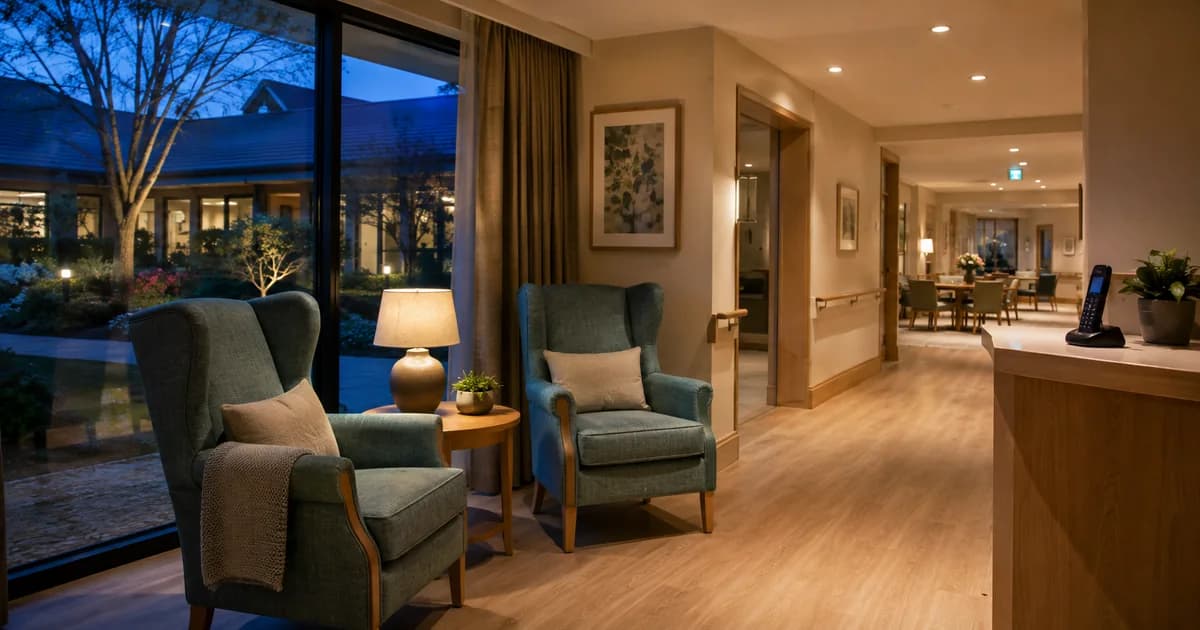
After-hours call handling in aged care is less about "answering every call" and more about making sure the wrong call never ends up in the wrong queue. Families may be seeking reassurance, hospitals and referrers may be trying to reach the right service, and site teams may be dealing with an operational issue outside the usual admin window. A weak first response creates more than admin drag. It can damage trust quickly.
That is why a workable after-hours model for aged care needs clear categories, explicit escalation, and disciplined handover. Whether you use a human answering layer, AI receptionist coverage, or a hybrid setup, the goal is the same: calm first response, safe routing, and a clean morning follow-up list.
TL;DR
- After-hours aged care calls should be sorted into routine, operational, and urgent lanes quickly.
- The answer layer should capture only the information needed for safe routing and follow-up.
- Safety, safeguarding, welfare, and clinical judgement should follow your organisation's escalation policy immediately.
- AI can help with structured intake and routing, but it should not make care decisions.
- Start with policy clarity first, then add the coverage model that best supports it.
The main after-hours call types
In practice, aged care teams often see a mix of:
- family enquiries or requests for updates
- prospective resident, respite, or service enquiries
- hospital or referrer contact
- supplier or site operations issues
- urgent welfare, safeguarding, or clinical concerns
Those calls do not all deserve the same script.
What the after-hours layer should do well
The job is usually to:
- acknowledge the caller quickly
- identify who they are and what they need
- decide whether the matter is routine, operational, or urgent
- route it to the right path
- record enough detail that staff do not have to reconstruct the call later
That is different from trying to "solve" every issue on the phone.
What can usually be handled safely
An after-hours answer layer can often help with:
- basic service and contact-path questions
- family callback requests
- admissions or placement enquiry capture
- supplier or contractor routing
- internal message-taking for non-urgent matters
That coverage can materially reduce missed calls and improve first-response quality.
What should not sit with automation or generic message-taking
Do not leave these to vague notes or improvised answers:
- clinical judgement
- safeguarding concerns
- welfare or safety issues
- complaints that require immediate escalation
- anything your policy says must be actioned by an on-call person
The right objective is safe recognition, not false confidence.
Minimum viable capture
For most routine after-hours aged care calls, capture:
- caller name
- relationship to the resident or service
- callback number
- facility or service context, if relevant
- short reason category
- urgency flag
Keep labels practical and non-clinical unless your policy requires something more specific.
Where AI receptionist coverage fits
AI is useful when the organisation needs:
- consistent first response for repeat call types
- better after-hours capture than voicemail
- structured notes for morning handover
- fewer missed family or referral enquiries
It is strongest when the boundaries are tight and the escalation tree is already clear.
Where a human layer may still be better
Human coverage can be the safer fit when:
- callers are often distressed or emotionally charged
- the organisation wants live reassurance on more calls
- scripts require significant interpretation
- escalation decisions depend on nuance the business has not yet documented clearly
Many aged care teams end up with a hybrid model rather than forcing one answer onto every call type.
The handover standard matters as much as the answer
If you want after-hours coverage to feel professional, the morning team should receive:
- a clear summary of each call
- the caller's contact details
- the category of the issue
- whether escalation already happened
- the next required action
That is what turns "we answered the phone" into an actual operating improvement.
Related guides
- AI receptionist for aged care providers
- After-hours call handling for Australian SMEs
- AI receptionist vs virtual receptionist in Australia
- How clinics can reduce missed calls and improve booking conversion
FAQ
What should never be handled by AI in aged care?
Anything involving clinical judgement, safeguarding, welfare assessment, or policy-defined urgent escalation should go straight to the appropriate human path.
Is this legal or compliance advice?
No. Use this as an operating model, then align it with your internal policy, governance, and sector obligations.
Can AI still help if we keep human escalation for urgent calls?
Yes. That is often the best use case: AI handles structured intake and routine routing, while urgent calls move immediately to the human escalation path.
Next step
If your team needs better after-hours responsiveness without creating a messy callback queue, review pricing and book a walkthrough. We can map which calls should be handled routinely, which should escalate, and where a human or AI layer fits best.